Key points
- Walmart is automating approximately 200 US warehouses using systems from partners like Symbotic.
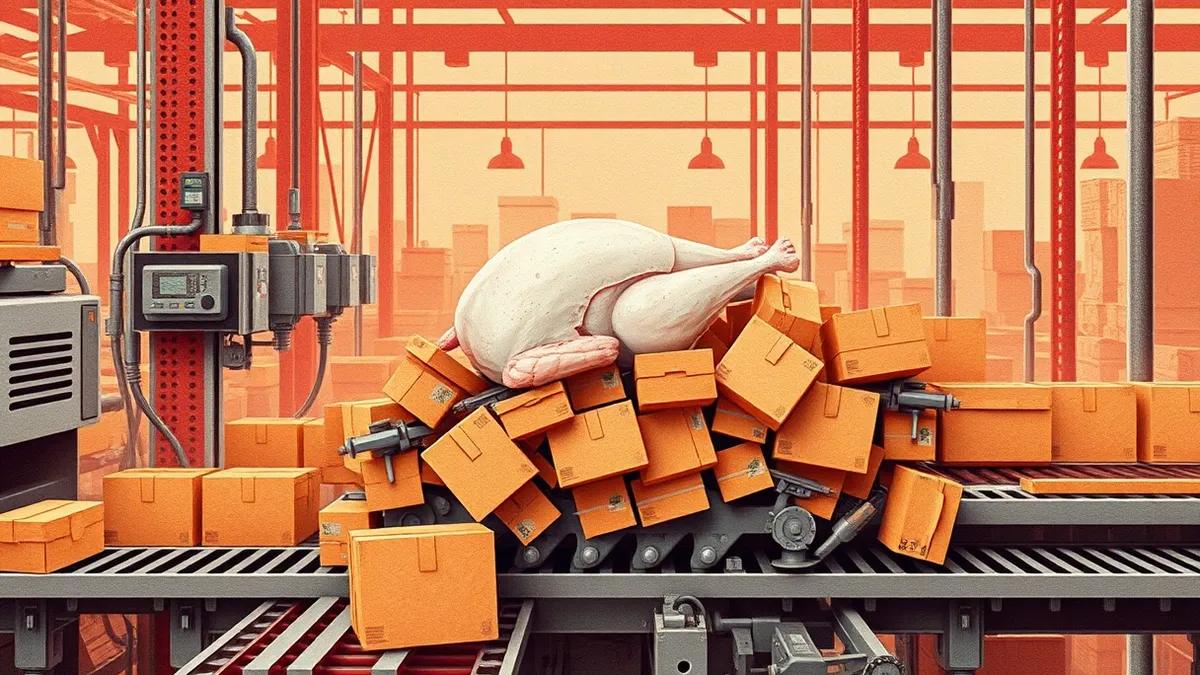
- Technical setbacks involve machines failing to properly process cardboard boxes and turkeys.
- The retailer holds a 12.6% ownership stake in Symbotic, linking their operational success.
The short version
- Walmart’s push to automate roughly 200 US warehouses is facing significant technical hurdles.
- Partner Symbotic’s automated sorting machines are experiencing errors with specific physical items.
- The company owns a 12.6% stake in Symbotic, creating direct financial exposure to these delays.
The details
Walmart is encountering technical setbacks in its effort to automate approximately 200 warehouses across the United States. According to a report by the Wall Street Journal, the retailer’s automation push has reached a stage described as “peak complexity.” The issues stem from machines programmed to sort merchandise, which are struggling to handle certain physical goods effectively. These technical kinks are disrupting the planned efficiency gains from the extensive automation rollout.
The specific operational failures involve automated systems mismanaging cardboard boxes and turkeys. These items present unique physical challenges for sorting machinery, leading to jams or misclassification. The Wall Street Journal noted that these mechanical difficulties are part of a broader pattern of technical setbacks. The problems highlight the difficulty of translating theoretical automation models into reliable, high-volume physical operations within a retail supply chain environment.
Walmart maintains a 12.6% ownership stake in Symbotic, one of the primary partners involved in this infrastructure project. This equity position means that technical failures at the warehouse level have direct implications for the retailer’s investment portfolio. The setback affects not only immediate logistics operations but also the strategic value of the partnership. Business leaders must consider how hardware reliability impacts the total cost of ownership for such large-scale automation initiatives.
The context
The automation of physical logistics is more complex than software deployment. Machines must interact with variable physical objects, such as irregularly shaped boxes or frozen turkeys, which can differ in weight and rigidity. The Wall Street Journal report indicates that these physical variables are causing significant friction in the deployment timeline. For organizations investing heavily in robotics, the gap between lab-tested performance and real-world warehouse conditions remains a critical risk factor.
This situation illustrates the operational risks inherent in supply chain modernization. When automation partners face technical hurdles, the client organization bears the brunt of delayed efficiency and potential inventory bottlenecks. Walmart’s scale amplifies these issues, as even minor sorting errors can cascade through a network of 200 facilities. The 12.6% stake in Symbotic underscores the intertwined nature of modern vendor-client relationships in technology-driven industries.
What to watch
- Monitor for further reports on Symbotic’s ability to resolve the sorting errors with boxes and turkeys.
- Watch for changes in Walmart’s automation timeline or budget allocations for the 200 US warehouses.
- Observe if the 12.6% ownership stake influences the pressure on Symbotic to deliver fixes quickly.
- Look for industry-wide commentary on the “peak complexity” phase of warehouse robotics deployments.
Background: Supply chain attacks
A supply chain attack targets the software or hardware you use before it reaches you. By compromising a trusted vendor, attackers insert malicious code that installs automatically on your systems when you update or deploy the product. This bypasses perimeter defenses because the malicious payload arrives with a valid digital signature.
Read the full guide: Supply Chain Attacks: How Trust Becomes Your Biggest Security Risk
What to do and how to stay safe: Walmart
- Audit your supply chain automation vendors for similar physical handling limitations before scaling deployments.
- Require detailed stress-testing reports that include variable physical goods, not just standard uniform items.
- Diversify automation partners to reduce reliance on a single vendor for critical warehouse infrastructure.
- Establish clear service-level agreements that define performance metrics for handling irregular or fragile goods.
Step-by-step guide: Secure Home Routers for Small Business Networks
General security guidance from the TechSec Headlines newsroom. It is not confirmed advice from the organisations named in this story.
Frequently asked questions
What specific items are causing problems for Walmart's automated warehouses?
Automated sorting machines are encountering technical kinks when processing cardboard boxes and turkeys.
How many warehouses is Walmart trying to automate?
Walmart is pushing to automate approximately 200 warehouses across the United States.
Does Walmart own a part of Symbotic?
Yes, Walmart owns a 12.6% stake in Symbotic, one of its automation partners.