Key points
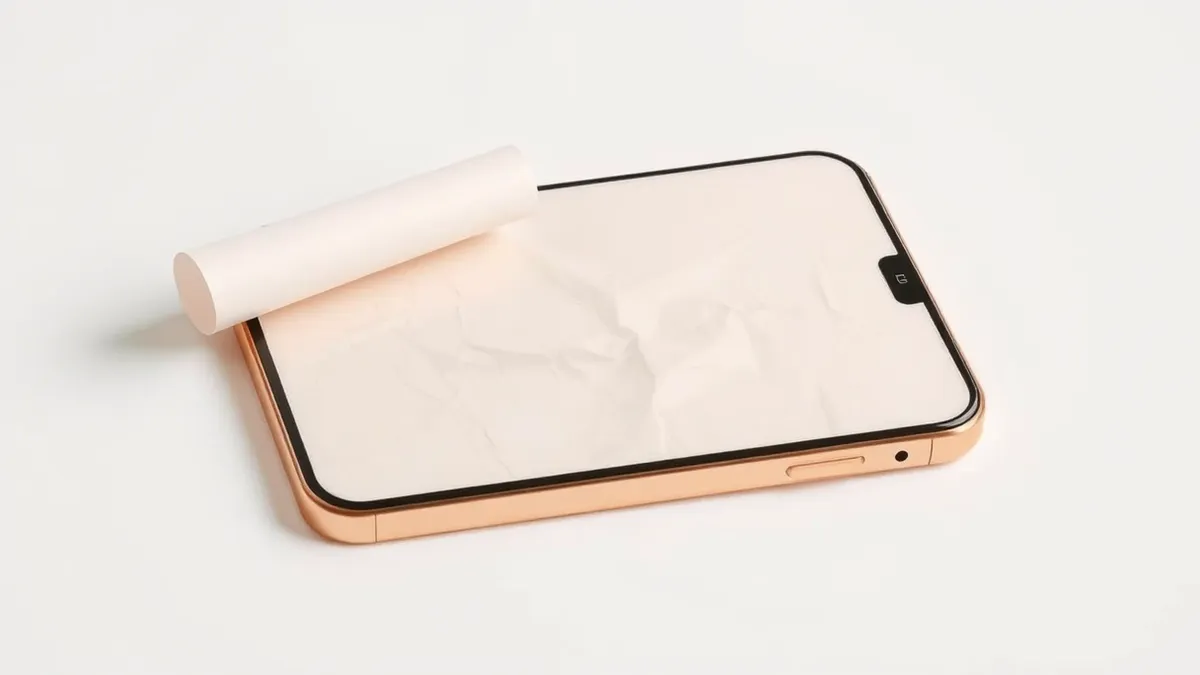
- Removing the iPhone Duo's nano-texture layer results in a glossy, uneven, and wrinkled display surface.
- Apple offers nano-texture film replacements for $19 to customers with AppleCare+.
- High demand for the device has pushed U.S. delivery estimates from launch week to late January 2027.
The short version
- The iPhone Duo uses a matte nano-texture layer to mask the screen crease and reduce glare.
- Peeling this layer exposes the underlying display, which appears bumpy and uneven.
- Apple sells replacement films for a low fee, but removing the original voids the intended visual experience.
The details
A video shared by user @UniverseIce on X demonstrates the consequences of removing the protective nano-texture layer from the iPhone Duo. According to the footage, the underlying display becomes glossy, wrinkled, and uneven once the matte film is peeled away. This visual degradation stands in contrast to the smoother appearance of competing Android foldables that utilize glossy screens without such a top layer. The nano-texture film serves a dual purpose by making content resemble paper and significantly reducing reflections.
Apple confirmed earlier this month that it will provide nano-texture replacements for $19 to customers enrolled in AppleCare+. This service allows users to restore the matte finish if the film is damaged or removed. However, the video highlights that the glossy surface beneath is not a viable alternative for daily use. The uneven texture suggests the film is integral to the device's display quality rather than merely an aesthetic addition.
The context
The iPhone Duo is scheduled to become available on October 23, following pre-orders that began on October 16. All color and storage configurations sold out within minutes of the pre-order window opening. Consequently, delivery estimates for U.S. customers have slipped from the initial October timeframe to late January 2027. Apple currently lists January 25 as the estimated delivery date for new orders placed in the United States.
Apple stated that the pre-order demand for its first foldable iPhone has been extraordinary. The company acknowledged that there is no guarantee of sufficient supply on launch day. This high demand contrasts with the technical revelation regarding the screen layer, as potential buyers may now be aware of the display's reliance on the nano-texture film for a presentable appearance.
What to watch
- Monitor Apple’s official supply chain updates for changes to delivery estimates for the iPhone Duo.
- Observe how the nano-texture layer holds up under long-term usage and folding cycles.
- Track any third-party repair guides that might emerge regarding the replacement of the screen film.
- Watch for competitor responses to the specific design choices made for the iPhone Duo display.
What it means for organisations
Organisations deploying foldable devices should verify whether critical screen components are replaceable and cost-effective. Teams usually assess if the visual quality relies on consumable layers that may degrade over time. Management needs to understand if removing or damaging these layers voids warranties or requires expensive full-unit replacements.
Procurement departments should confirm that replacement parts are readily available through standard support channels. IT staff must evaluate if the device's unique hardware constraints impact usability for specific corporate tasks. Leadership should be informed about potential supply delays that could affect deployment timelines for new hardware refreshes.
Background: Supply chain attacks
A supply chain attack targets the software or hardware you use before it reaches you. By compromising a trusted vendor, attackers insert malicious code that installs automatically on your systems when you update or deploy the product. This bypasses perimeter defenses because the malicious payload arrives with a valid digital signature.
Read the full guide: Supply Chain Attacks: How Trust Becomes Your Biggest Security Risk
What to do and how to stay safe: iPhone Duo
- Avoid peeling or removing any protective film layers on foldable displays to prevent irreversible visual damage.
- Check AppleCare+ eligibility before attempting any physical modifications to the device's screen assembly.
- Monitor official Apple communications for updates on part availability and replacement pricing.
- Verify current delivery estimates before purchasing to ensure hardware arrives within project timelines.
Step-by-step guide: Secure Home Routers for Small Business Networks
General security guidance from the TechSec Headlines newsroom. It is not confirmed advice from the organisations named in this story.
Frequently asked questions
Can I remove the nano-texture layer from my iPhone Duo to get a glossy screen?
No, removing the layer exposes an uneven, wrinkled, and glossy surface that is visually inferior to the matte finish.
How much does Apple charge to replace the nano-texture film?
Apple offers nano-texture replacements for $19 to customers who have AppleCare+.
When will the iPhone Duo be available in the U.S.?
The device is available starting October 23, but delivery estimates for current orders are slipping to late January 2027.