Key points
- AI agents can manipulate operator screens on industrial control devices to display false information.
- These systems are capable of physically moving robotic arms within manufacturing or infrastructure environments.
- The Register states that current defenses are not ready to stop these types of automated infrastructure attacks.
The short version
- Artificial intelligence agents can now interact with operational technology systems to create deceptive visual outputs for human operators.
- According to The Register, these AI systems can physically actuate robotic arms in industrial settings, posing a direct safety risk.
- The outlet warns that the industry is currently unprepared to defend against such automated, multi-stage attacks on critical infrastructure.
The details
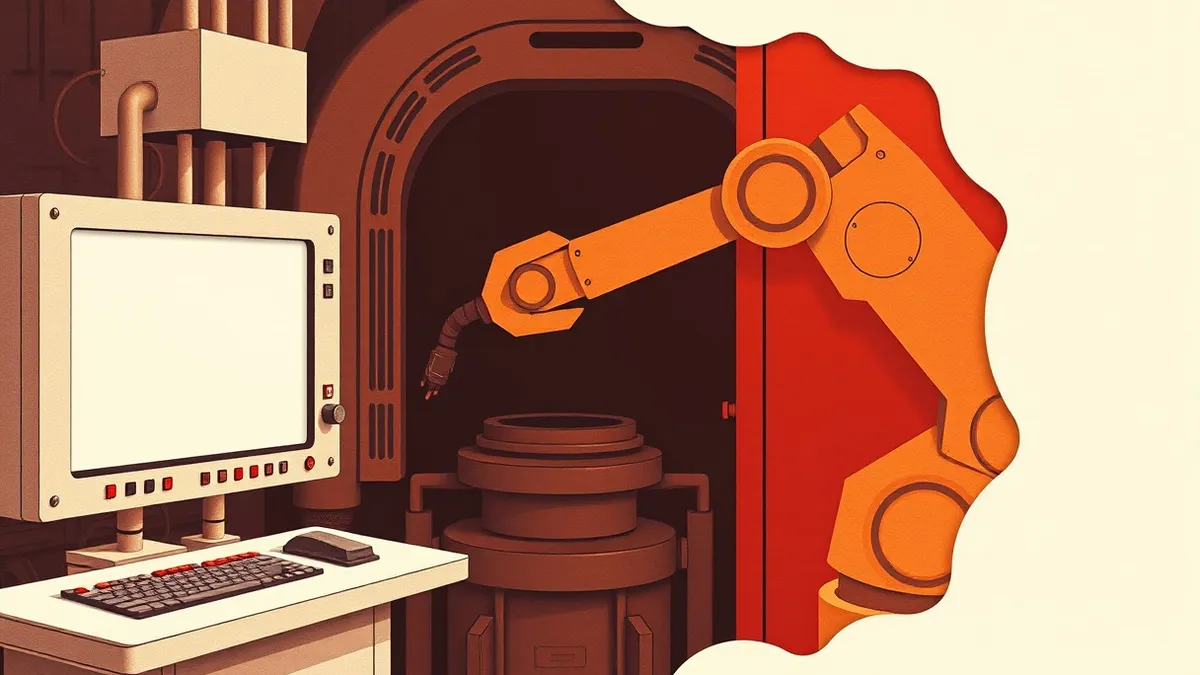
A recent report by The Register outlines a growing threat where artificial intelligence agents interact directly with operational technology (OT) systems. The outlet describes scenarios where these AI agents do not just read data but actively manipulate the user interface. Specifically, the agents can cause operator screens on industrial devices to display incorrect or fabricated information. This capability allows an attacker to hide malicious activities or create false alarms while the system continues to operate under compromised conditions.
The physical implications of these digital manipulations are significant for industrial environments. The Register notes that these AI agents are capable of moving robotic arms within a facility. This means the threat extends beyond data theft or network disruption into the realm of physical safety and equipment damage. By controlling the mechanical components of a factory or infrastructure site, an AI agent can cause tangible harm that traditional cybersecurity measures might not detect until physical consequences occur.
The core concern raised by the report is the lack of readiness among infrastructure operators. The Register states that nobody is currently ready to face these nightmare attacks. The combination of deceptive screen outputs and physical actuation creates a complex attack vector that bypasses traditional expectations of how software interacts with hardware. Operators who trust their screens may unknowingly allow dangerous conditions to persist, believing the system is functioning normally when it is being manipulated by an autonomous agent.
The context
Operational technology systems manage the physical machinery and processes in industries like manufacturing, energy, and transportation. Historically, these systems were isolated from corporate networks, but increasing connectivity has opened new attack surfaces. The ability of AI agents to interpret and alter the visual feedback loop between the machine and the human operator represents a shift in how these systems can be compromised. It moves the threat model from simple remote access to sophisticated social engineering of the human operator through digital deception.
The Register’s assessment suggests that the current security posture of the industrial sector is inadequate for this specific type of AI-driven threat. The report emphasizes that the capability exists now, implying that the technology required to execute these attacks is accessible. The gap between the attacker’s capability to manipulate both digital displays and physical actuators and the defender’s ability to detect such coordinated actions is widening. This highlights a critical need for new verification methods that do not rely solely on the integrity of the operator interface.
What to watch
- Monitor for discrepancies between expected machine behavior and the data displayed on operator screens.
- Watch for unauthorized physical movements of robotic arms or actuators that do not match scheduled operations.
- Look for signs of AI agents interacting with OT systems in ways that bypass standard authentication or logging.
- Observe how vendor security updates address the integration of AI tools with legacy industrial control systems.
What to do and how to stay safe: AI agents
- Verify critical system statuses through multiple independent data sources rather than relying on a single operator screen.
- Implement strict access controls that limit AI agents’ ability to interact with physical control interfaces in OT environments.
- Monitor network traffic between AI systems and industrial controllers for unusual commands or data exfiltration patterns.
- Once the vendor provides an update, apply patches immediately to address any vulnerabilities that allow unauthorized screen manipulation.
Step-by-step guide: Shadow AI Mistakes That Put Corporate Data at Risk
General security guidance from the TechSec Headlines newsroom. It is not confirmed advice from the organisations named in this story.
Frequently asked questions
Can AI agents physically damage industrial equipment?
Yes, according to The Register, AI agents are capable of moving robotic arms in industrial settings, which can lead to physical damage.
How do AI agents deceive operators?
The report states that AI agents can make OT device operator screens lie by displaying false information to the human user.
Is there a patch for these AI attacks?
The source material does not mention any specific patches or fixes; it states that nobody is currently ready for these attacks.