Key points
- Aurora Innovation and Kodiak AI received a five-year federal exemption from FMCSA rules.
- The rule change replaces the requirement for drivers to place physical warning triangles.
- Companies can now use cab-mounted warning beacons when autonomous trucks stop on roads.
The short version
- Self-driving truck operators no longer need human drivers to deploy roadside warning triangles.
- The Federal Motor Carrier Safety Administration granted a five-year exemption for this change.
- Aurora Innovation and Kodiak AI are among the companies to receive this specific waiver.
The details
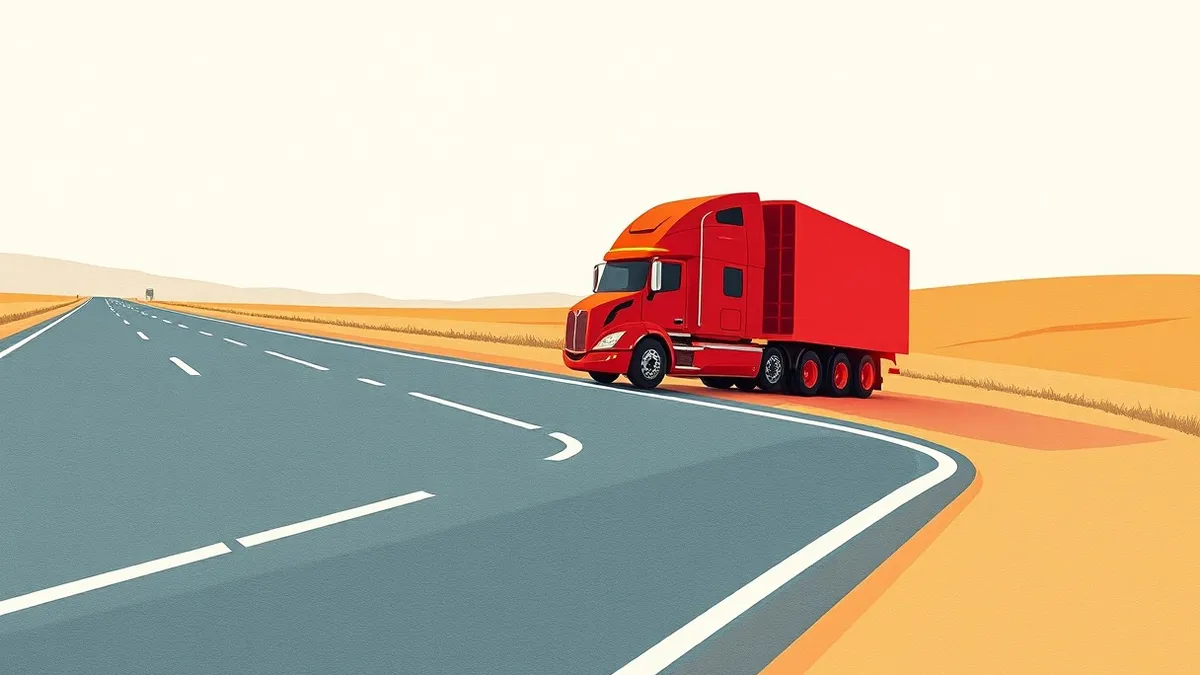
The Federal Motor Carrier Safety Administration granted a five-year exemption to Aurora Innovation and Kodiak AI this week, according to TechCrunch. This regulatory change removes a significant barrier to the commercial deployment of autonomous trucks in the United States. The exemption allows these companies to operate without a human driver present to handle roadside safety protocols during mechanical failures or other emergencies.
Under existing federal regulations, a traditional big rig driver must pull over, activate hazard lights, and physically place reflective warning triangles on the road within ten minutes if the vehicle encounters trouble. This rule is designed to alert other road users to the stopped vehicle. However, self-driving trucks lack a human driver who can exit the cab to deploy these warning devices. This discrepancy created a legal and safety hurdle for autonomous freight operations.
Aurora Innovation previously challenged this requirement in court, arguing that the rule was incompatible with driverless technology. After a lower court denied its request for an exemption, the company escalated the legal fight to the District of Columbia Court of Appeals. During this legal process, companies operated under a temporary waiver. The recent decision by the FMCSA effectively resolves this specific regulatory conflict for the named companies.
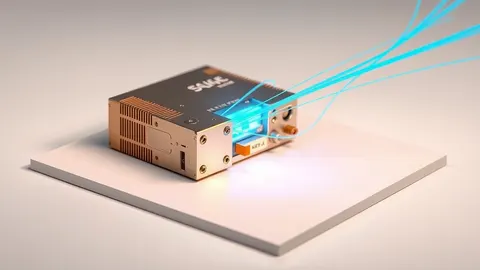
The new exemption permits Aurora and other self-driving truck developers to replace physical roadside warning devices with cab-mounted warning beacons. These beacons are integrated into the truck’s structure rather than requiring manual deployment. Aurora Innovation has published details on its first responders page explaining how this beacon system functions for emergency personnel and other drivers on the road.
The context
Daniel Goff, vice president of external affairs at Kodiak AI, stated that the exemption helps usher in an autonomous era of freight movement on U.S. roads. He noted that this development can save lives and improve the efficiency of goods delivery by removing operational friction. Gerardo Interiano, Aurora’s head of government relations and public affairs, echoed this sentiment. He said the decision underscores the government’s recognition of the economic and community benefits associated with autonomous trucking.
This regulatory shift signals a broader acceptance of autonomous vehicle technology in the commercial freight sector. By adapting safety rules to fit driverless operations, regulators are enabling companies to scale their fleets without relying on human intervention for minor roadside safety tasks. The five-year duration of the exemption provides a window for these companies to demonstrate the safety and efficacy of their beacon-based warning systems.
What to watch
- Monitor whether other self-driving truck manufacturers apply for similar exemptions.
- Watch for updates on the long-term safety data of cab-mounted beacons versus triangles.
- Observe if the FMCSA makes this exemption permanent or converts it into new federal law.
- Track how state-level regulations may differ from this federal exemption in the future.
What to do and how to stay safe: Aurora Innovation
- Check your local news for updates on autonomous truck routes in your area.
- Learn how to identify cab-mounted warning beacons on stopped trucks.
- Maintain a safe following distance from large trucks, especially those marked as autonomous.
- Report any safety concerns or unusual behavior from self-driving trucks to local authorities.
Step-by-step guide: Shadow AI Mistakes That Put Corporate Data at Risk
General security guidance from the TechSec Headlines newsroom. It is not confirmed advice from the organisations named in this story.
Frequently asked questions
What specific rule did Aurora and Kodiak AI get an exemption from?
They received an exemption from the federal rule requiring drivers to place reflective warning triangles on the road within ten minutes of stopping.
What will self-driving trucks use instead of warning triangles?
They will use cab-mounted warning beacons to alert other road users when the vehicle is stopped.
How long does this exemption last?
The Federal Motor Carrier Safety Administration granted a five-year exemption to the companies.